What Dirt Work Includes
Site Preparation From Rough Ground To Build-Ready
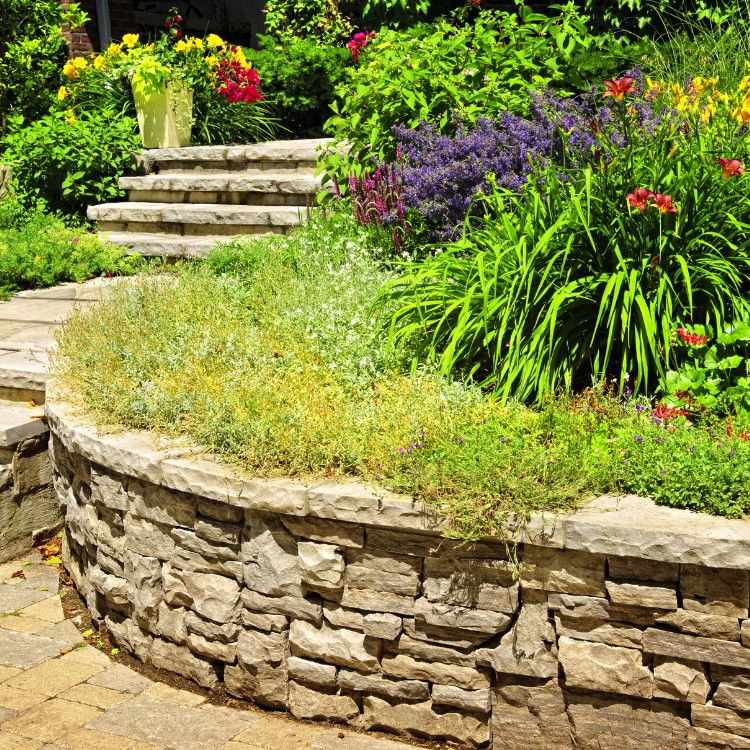
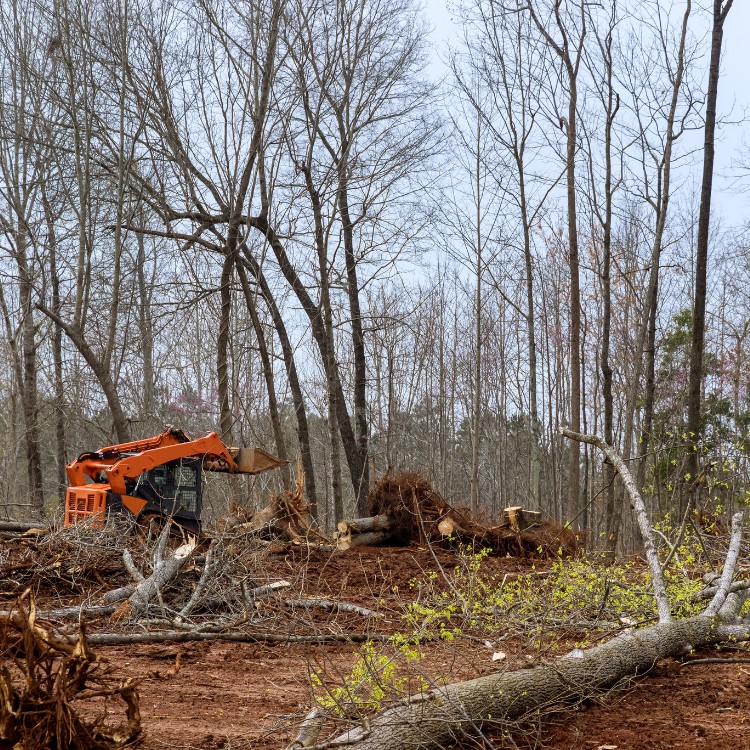
Dirt work is the foundation of a successful build, driveway, pad, or landscape project. It includes earthmoving tasks like clearing and stripping topsoil, excavation and backfilling, grading for proper drainage, shaping slopes, and preparing stable subgrades for concrete, asphalt, pavers, or gravel.
A quality dirt work plan considers soil type, water movement, finished elevations, access for equipment, and how the site will be used long-term. When these details are handled correctly, the surface stays stable, drains properly, and reduces problems like pooling water, rutting, erosion, and premature cracking of hardscapes.
Planning, Precision, And Clean Execution
Leadwood Design approaches dirt work with a step-by-step process designed to keep projects efficient and accurate. We start by reviewing goals, setbacks, access, and finished grades, then identify where material needs to be cut, moved, or imported so the site meets the intended elevations and drainage paths.
From there we perform excavation and grading with attention to compaction and transitions. We maintain clean work areas, protect the surrounding property where possible, and communicate progress so you understand what is happening at each stage and what comes next before surface materials or construction begin.
Grading, Excavation, And Material Management
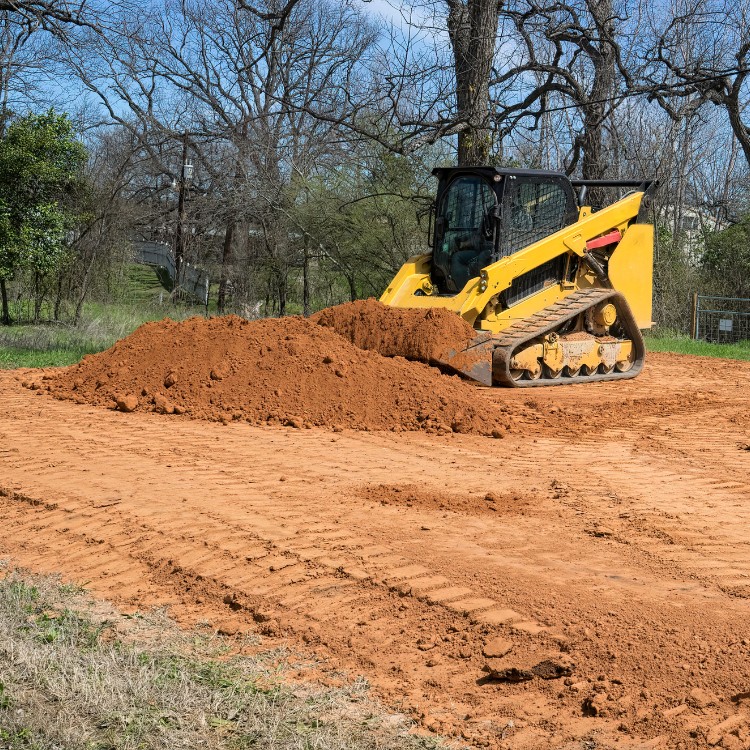
Dirt work needs vary by property and project, but most jobs include a combination of excavation, rough grading, and fine grading. Rough grading establishes the overall elevations and slopes, while fine grading provides smoother, more precise contours that prepare the surface for gravel, sod, seed, concrete, or other finishes.
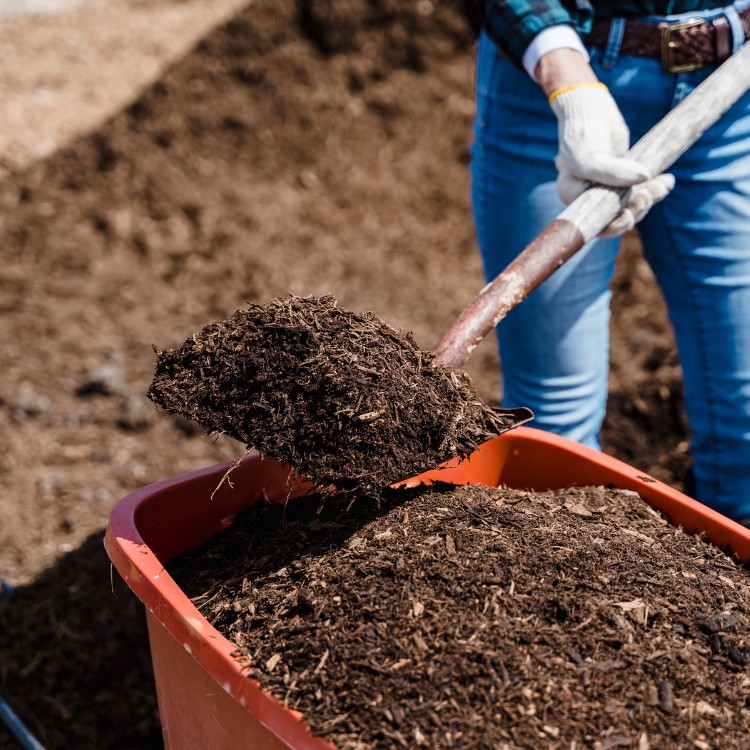
Material management is a major part of doing the job right. This can include stripping and stockpiling reusable topsoil, hauling excess spoil, importing fill, and blending materials to improve stability. Proper compaction in lifts helps prevent settlement, washouts, and soft spots that can later damage driveways, slabs, and retaining features.
Drainage shaping is also essential. Swales, crowns, and directed slopes help move water away from structures and high-traffic areas. By controlling how water flows across the site, dirt work helps protect the investment you make in buildings, landscaping, and access routes.
Talk with an Expert
Start your service request today!

Family Owned & Operated
Building lasting relationships through personalized service and generations of expertise.
Licensed & Insured
Professional protection for your complete peace of mind.
Free Estimates
Clear pricing before the first line is drawn.